










Why Your General Dentist May Refer You to an Endodontist
Your general dentist plays a vital role in maintaining your oral health, but some dental problems require specialized care. When complex issues arise with the inner structures of your teeth, your dentist may refer you to an endodontist. This referral isn’t a sign that your dentist can’t help you, it’s a strategic decision to ensure you receive the most advanced, precise treatment available for your specific condition.
Endodontic therapy focuses on treating the dental pulp and tissues surrounding the roots of your teeth. Endodontists complete an additional two to three years of specialized training beyond dental school, dedicating their practice exclusively to saving teeth through root canal procedures and related treatments.
What Makes Endodontists Different from General Dentists?
While your general dentist can perform many root canal procedures, endodontists bring a level of specialization that makes a difference in complex cases. They perform an average of 25 root canal treatments per week, compared to just two per week for general dentists. This concentrated experience translates to greater efficiency and often more comfortable treatment outcomes.
Endodontists also invest in advanced technology specifically designed for root canal treatment. CBCT imaging provides three-dimensional views of your tooth’s internal anatomy, revealing details that standard x-rays cannot capture. Surgical microscopes offer magnification up to 25 times normal vision, allowing endodontists to identify and treat the tiniest canals and cracks that might otherwise go unnoticed.
The specialized training endodontists receive focuses on diagnosing tooth pain and performing root canal therapy with precision. They understand the complex anatomy of tooth roots and can navigate curved or calcified canals that present challenges in standard treatment.
6 Common Reasons for Referral to an Endodontist
Your general dentist may recommend you see an endodontist for several specific situations. Understanding these reasons helps you appreciate why specialized care benefits your long-term dental health:
- Complex tooth anatomy: Some teeth have unusual canal configurations, extra canals, or severe curvature that require specialized techniques and equipment to treat effectively.
- Calcified canals: When calcium deposits narrow or block the root canals, specialized instruments and expertise become necessary to access and clean the affected areas.
- Previous root canal complications: If a tooth that received prior treatment develops new problems, endodontic retreatment by a specialist offers the best chance of saving the tooth.
- Cracked or fractured teeth: Diagnosing and treating cracked teeth requires specialized training, as these cracks can be difficult to detect and may extend below the gum line.
- Dental trauma: Traumatic dental injuries from accidents or sports often damage the tooth’s internal structures in ways that benefit from specialized assessment and treatment.
- Severe infection or abscess: Advanced infections may require surgical intervention or complex treatment planning that falls within an endodontist’s area of focus.
These situations don’t necessarily mean your case is hopeless, they simply indicate that specialized care will give you the best possible outcome.
What to Expect During Your Endodontic Referral
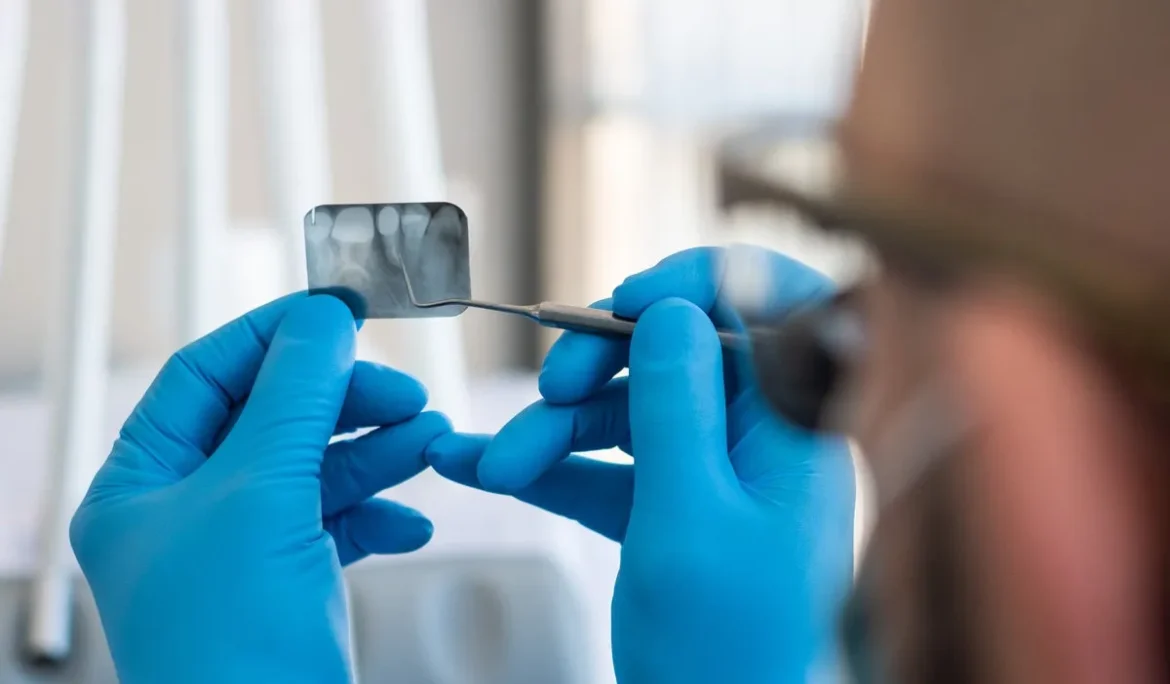
When your general dentist refers you to an endodontist, the process typically begins with a consultation and thorough examination. The endodontist reviews your dental history, takes diagnostic images, and performs tests to determine the exact nature of your problem. This comprehensive evaluation allows them to develop a treatment plan tailored to your specific needs.
During treatment, endodontists use advanced techniques to ensure your comfort. Many patients worry about root canal pain, but modern endodontic procedures are far more comfortable than their reputation suggests. Local anesthesia effectively numbs the treatment area, and sedation options are available for patients who experience dental anxiety.
The specialized equipment endodontists use often makes procedures faster and more efficient than traditional methods. For example, the GentleWave Procedure uses advanced fluid dynamics to clean the complex canal system more thoroughly than conventional techniques, potentially reducing the need for future treatment.
How Endodontists and General Dentists Work Together
Your endodontist and general dentist collaborate to provide comprehensive care. After completing root canal treatment, the endodontist typically sends you back to your general dentist for final restoration. This might involve placing a crown or other protective restoration to strengthen the tooth and restore its function.
This team approach ensures you benefit from each provider’s strengths. Your general dentist maintains oversight of your overall oral health, while the endodontist addresses the specific complex issue affecting your tooth. The two practices communicate about your treatment, creating continuity in your care.
Following up with both providers as recommended helps ensure the long-term success of your treatment. Your general dentist monitors the restored tooth during regular checkups, watching for any signs of problems that might require additional attention.
Specialized Care for Complex Dental Needs at Georgia MicroEndodontics
Dr. Jeannette Jimenez works closely with referring dentists throughout the greater Atlanta area to provide exceptional endodontic care. Her additional years of specialized training and commitment to continuing education ensure patients receive treatment using the most current techniques and technology. Dr. Jimenez also teaches continuing education courses to other dental professionals, sharing her knowledge and refining best practices in endodontics.
We understand that dental referrals can feel overwhelming, especially when you’re already dealing with tooth pain or discomfort. Our practice focuses on creating a calming, comfortable environment where patients feel heard and cared for throughout their treatment journey. We offer flexible scheduling, including same-day appointments for emergencies, and work with your insurance to maximize your benefits. If your general dentist has referred you for endodontic treatment, contact Georgia MicroEndodontics to schedule your consultation. You can also request an appointment online or learn more about Dr. Jimenez and her approach to patient care. We’re here to help you save your natural tooth and return to comfortable, pain-free oral health.