
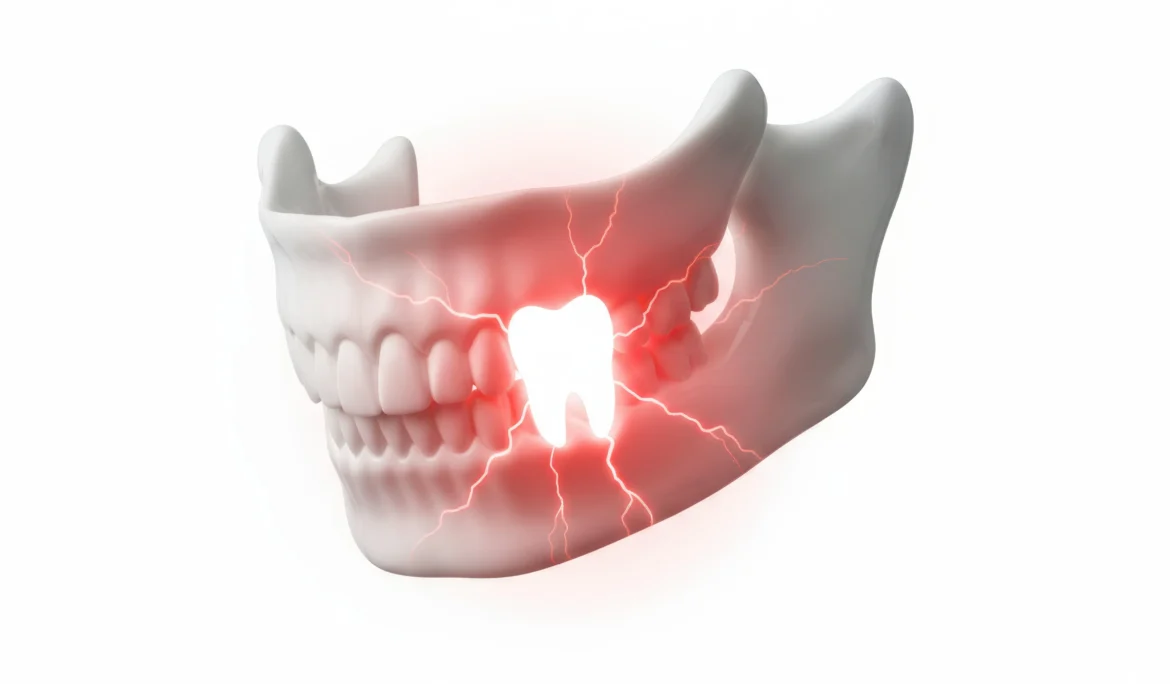
One moment you are sipping your morning coffee, and the next a sharp, electric jolt shoots through your jaw and stops you mid-sip. Tooth sensitivity is easy to dismiss as one of those nuisances you learn to work around, but when it arrives suddenly and without a clear explanation, it deserves much more than a shrug. In some cases, that flash of pain is your body’s earliest warning that something serious is developing inside the tooth.
At Georgia Microendodontics, Dr. Jeannette Jimenez and her team help patients throughout the Marietta area make sense of symptoms that feel uncertain or alarming. As a trained endodontic specialist with a background rooted in Columbia University and a career built around precise, compassionate care, Dr. Jimenez understands that emergency endodontic care often begins with a patient simply paying attention to a sensation they have never felt before.
Not All Sensitivity Is the Same
There is a meaningful difference between generalized tooth sensitivity and sudden, localized sensitivity that is new to you. Generalized sensitivity, the kind that has been part of your experience for years, is often linked to enamel wear, gum recession, or the use of whitening products. It tends to be predictable and manageable. Sudden sensitivity is a different matter entirely.
When a specific tooth unexpectedly becomes painful in response to hot or cold temperatures, and that pain lingers for more than a few seconds after the stimulus is removed, the nerve inside the tooth may be involved. According to the National Institute of Dental and Craniofacial Research, as tooth decay advances, it can cause tooth pain or sensitivity to sweets, heat, or cold. Left untreated, it can lead to infection and abscess formation. That progression is exactly why new or worsening sensitivity should always be evaluated promptly by a specialist.
When Sensitivity Points to Something Deeper
It is important to understand when sensitivity may be a symptom of something more serious going on.
The Tooth’s Nerve May Be Compromised
The pulp, which is the soft tissue at the center of every tooth, contains nerves and blood vessels that keep the tooth alive. When that pulp becomes inflamed or infected, whether from deep decay, a crack, or trauma, sensitivity to temperature is often one of the first signals. Pain that lingers long after the hot or cold food or drink is gone is a reliable indicator that the pulp is under stress and that intervention may be needed to save the tooth.
Cracked Teeth Are a Hidden Culprit
A crack in the tooth does not always announce itself with obvious pain. In many cases, sensitivity is the only clue something is wrong, and patients are surprised to learn a fracture is the source. Cracked teeth allow bacteria to work their way toward the pulp over time, meaning a crack that seems minor today can lead to a full infection if not addressed. This is especially true for cracks that are not visible to the naked eye but can be identified through the advanced imaging technology used at Georgia Microendodontics.
Sensitivity After Dental Work
It is normal to experience some sensitivity in the days following a filling, crown, or other dental procedure. However, if that sensitivity intensifies rather than fades, or if a tooth becomes sensitive months or years after a past treatment, it may indicate that the pulp was more affected than originally recognized. In these cases, root canal therapy performed by a specialist is often the most effective way to address the underlying issue and preserve the tooth.
Signs That Warrant Immediate Attention
Sensitivity alone is worth evaluating, but certain accompanying symptoms raise the urgency considerably. If you notice any of the following alongside your tooth sensitivity, it is time to seek care without delay. These warning signs can indicate that an infection or more serious issue is already underway:
- Pain that lingers after eating or drinking: Sensitivity lasting more than a few seconds suggests the nerve is affected, not just surface enamel.
- Spontaneous pain with no trigger: Throbbing or aching that occurs on its own, not just in response to food or temperature, often signals pulp inflammation or infection.
- Swelling in the jaw or gums: Any swelling near the affected tooth is a strong indicator of an abscess requiring prompt professional evaluation.
- Tooth discoloration: A tooth that has recently darkened or changed color may have internal damage that is progressing without visible symptoms.
These signs together paint a clearer picture than sensitivity alone, and experiencing more than one of them is a reason to act the same day. Our FAQ page covers what patients can expect when they come in with urgent symptoms, including what the evaluation process looks like.
Contact Georgia Microendodontics About Your Tooth Sensitivity
Sudden sensitivity is your tooth communicating with you, and that message is worth listening to. The earlier a problem is identified, the more treatment options are available and the better the chances of preserving the natural tooth completely.
Dr. Jimenez and the team at Georgia Microendodontics are here to provide the clarity and care you need. If you have noticed a new or worsening sensitivity and are not sure what it means, do not wait to find out the hard way. Request an appointment today and let our team evaluate what is happening so you can get relief and a clear path forward.