
Your dentist has just told you the tooth needs to come out, and in that moment it can feel like the simplest solution to the pain you have been carrying around for weeks. But pulling a tooth is rarely the end of the story, and for most patients, it is far from the easiest path forward. Understanding what you stand to lose when a tooth is removed, and what you stand to gain by saving it, can completely change how you approach that decision.
At Georgia Microendodontics, Dr. Jeannette Jimenez has dedicated her career to helping patients in the Marietta area keep their natural teeth. Trained at Columbia University and passionate about endodontics since her earliest clinical work, Dr. Jimenez believes that root canal therapy is almost always worth exploring before considering extraction, and her goal is to make sure every patient has the full picture before making a choice.
What Actually Happens When a Tooth Is Extracted
Removing a tooth eliminates the immediate source of pain and infection, but it creates a new set of challenges that many patients do not anticipate. Once a tooth is gone, the jawbone beneath it begins to lose density. Without the root stimulating the bone through chewing and daily use, that area of the jaw gradually shrinks over time. Neighboring teeth also tend to shift into the gap, which can alter your bite, affect how you chew, and even change the alignment of other teeth over the years.
The Real Cost of Replacement
Replacing a missing tooth is not optional if you want to protect your long-term oral health, and the options available, such as a dental implant, bridge, or partial denture, are typically more involved and more expensive than the original treatment that could have saved the tooth. The American Association of Endodontists notes that endodontic treatment and the restoration of a natural tooth are generally less expensive than extraction followed by tooth replacement, and that no prosthetic option can fully replicate how a natural tooth looks, feels, and functions. That is a meaningful distinction for patients weighing their options.
Why Root Canal Treatment Is the Better Path
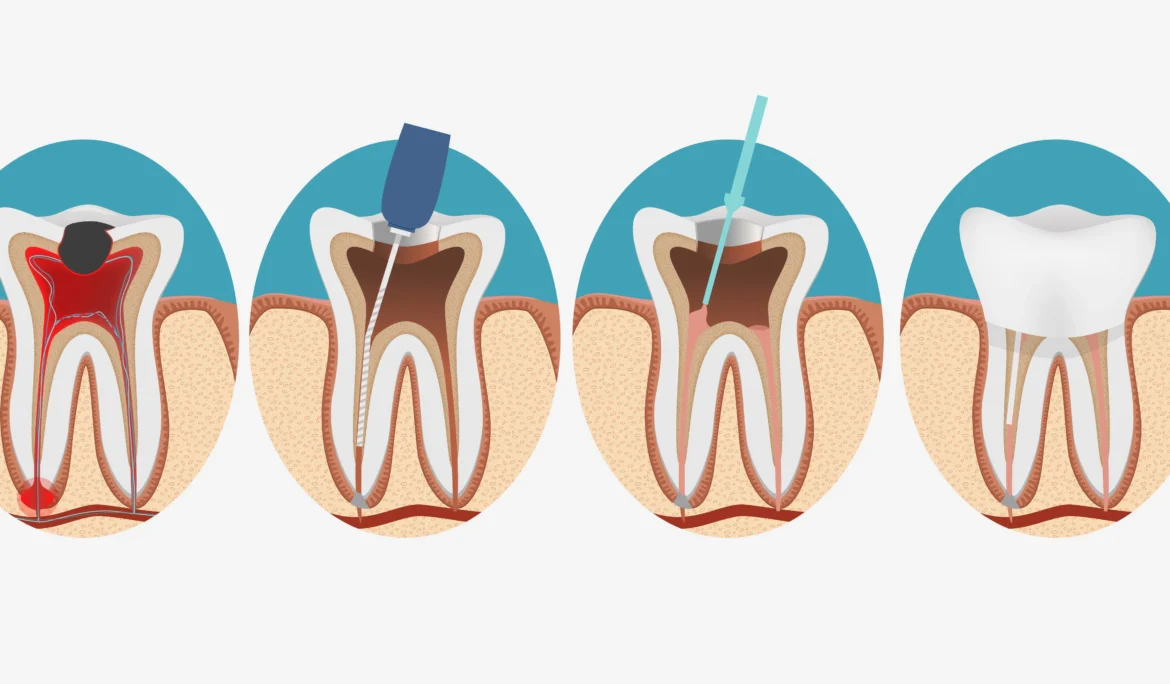
A root canal addresses the source of the problem directly. The infected or inflamed pulp inside the tooth is carefully removed, the canal is cleaned and disinfected, and the tooth is sealed and ultimately restored with a crown. The tooth remains in place, the root continues to support the surrounding bone, and the final result is a tooth that functions normally for many patients for the rest of their lives. The procedure itself is far more comfortable than most people expect, particularly when performed by a trained specialist.
Root canal treatment also has a longer track record of success than many patients realize. In cases where a first treatment does not fully resolve the issue, endodontic retreatment is often an effective next step, giving the tooth another opportunity to heal rather than resorting to extraction. Exploring every option to save the natural tooth is always the preferred approach.
What Sets an Endodontist Apart
General dentists can perform root canals, but endodontists are specialists who complete two to three additional years of advanced training focused entirely on treating the inside of the tooth. That level of focused experience matters significantly on complex cases, on teeth with difficult anatomy, and on situations where a previous treatment has not fully resolved the problem. What sets Georgia Microendodontics apart is not just that specialization, but the way Dr. Jimenez approaches every appointment. Patients often describe her as calm and reassuring, and her genuine enthusiasm for endodontics comes through in the care she delivers.
The practice also uses advanced technology to support accurate diagnosis and precise treatment. Through endodontic therapy that is guided by high-resolution imaging and a commitment to minimally invasive technique, the team works to give every tooth the best possible chance of a successful outcome.
Schedule Your Consultation at Georgia Microendodontics
If you are facing a recommendation for extraction, it is worth getting a second opinion from a specialist before making a final decision. A consultation with Dr. Jimenez can clarify whether root canal treatment is still an option and what the realistic outlook for your tooth looks like with proper care.
Do not let uncertainty or anxiety push you toward a choice you may later regret. Request an appointment with Georgia Microendodontics today, and let our team help you understand all of your options so you can move forward with confidence.