










Signs Your Root Canal is Infected: When to Seek Emergency Endodontic Care
When a root canal becomes infected, your body sends clear warning signals. An infected root canal can cause severe, persistent pain, noticeable swelling in your gums or face, and heightened sensitivity to hot or cold temperatures. If you notice any combination of these symptoms, you may need immediate attention from an endodontic specialist.
Endodontic therapy saves millions of teeth each year, but sometimes complications arise after treatment. Recognizing the signs of infection early helps prevent the problem from spreading to surrounding tissues and bone.
What Causes a Root Canal Infection?
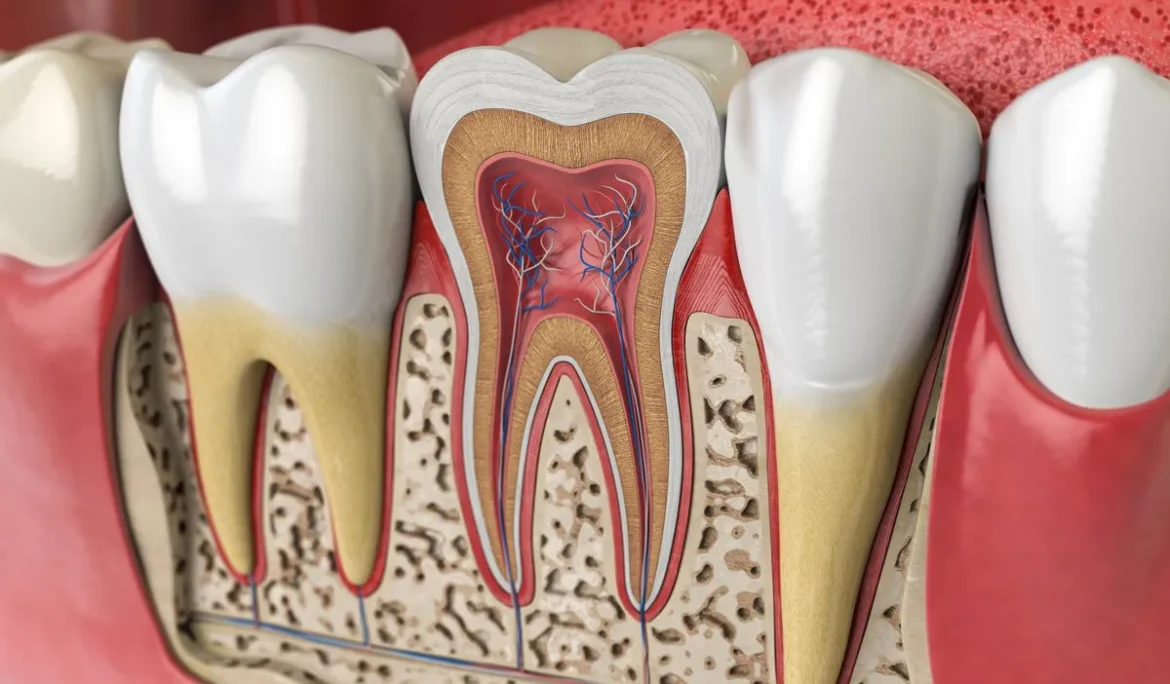
A root canal infection develops when bacteria invade the inner chamber of your tooth. This can happen for several reasons, including deep decay, a cracked or fractured tooth, or repeated dental procedures on the same tooth. According to the American Dental Association, an abscessed tooth occurs when bacteria enters the pulp through decay, periodontal disease, or a crack, causing infection and pus buildup.
Sometimes an infection occurs even after a root canal treatment. This typically happens when bacteria remain in the tooth’s complex canal system or when the seal of the filling becomes compromised over time. Endodontic retreatment can address these situations and save the tooth.
6 Common Signs of an Infected Root Canal
Recognizing the warning signs of an infected root canal helps you get treatment before the problem worsens. Watch for these symptoms:
- Persistent or worsening pain: Unlike mild discomfort after a dental procedure, pain from an infected root canal often intensifies rather than improves. The discomfort may throb constantly or spike when you bite down on food.
- Swelling around the affected tooth: You might notice puffiness in your gums, or in more advanced cases, swelling that extends to your cheek or jaw. The area may feel tender or warm to the touch.
- Temperature sensitivity that lingers: A healthy tooth might react briefly to hot or cold, but an infected root canal often produces prolonged, sharp pain from these triggers.
- Tooth or gum discoloration: A tooth that appears darker or grayish compared to its neighbors may have dying tissue inside. Gum discoloration near the tooth, particularly a reddish or purplish appearance, also warrants attention.
- A pimple-like bump on your gums: This fistula allows infected material to drain. While it may temporarily relieve pressure and pain, it indicates an active infection requiring professional treatment.
- Bad breath or unpleasant taste: These symptoms can result from pus draining into your mouth and often accompany other signs of infection.
Any of these symptoms deserve evaluation by an endodontic specialist to prevent complications.
When to Seek Emergency Endodontic Care
Certain symptoms require immediate professional evaluation. If you experience severe, unrelenting pain that over-the-counter medications can’t manage, you should seek care right away. Rapid swelling that spreads to your face, neck, or under your jaw can restrict your airway and requires urgent attention.
A fever accompanying dental pain suggests the infection may be spreading beyond the tooth. Difficulty swallowing or breathing represents a dental emergency that needs immediate medical intervention. These situations can progress quickly, so don’t wait to contact our office.
Less severe symptoms still deserve prompt attention, even if they don’t constitute an emergency. Persistent discomfort lasting more than a few days, recurring drainage from the gums, or gradual swelling should be evaluated within 24 to 48 hours.
What Happens During Emergency Endodontic Treatment?
When you arrive for emergency endodontic care, we first assess the extent of the infection through examination and diagnostic imaging. Digital x-rays or CBCT imaging help us visualize the infection and plan the appropriate treatment.
If an abscess has formed, we may need to drain it to relieve pressure and remove infected material. This process provides immediate relief and helps your body begin healing. We then address the source of infection through retreatment or endodontic surgery, depending on your specific situation.
For patients who experience dental anxiety, we offer sedation options to ensure you remain comfortable throughout the procedure. Many patients find root canal treatment far less intimidating than they expected, especially when compared to the pain of an untreated infection.
Preventing Future Root Canal Infections
After successful treatment, proper care protects your investment in your dental health. Follow these guidelines to maintain your treated tooth:
- Maintain excellent oral hygiene: Brush twice daily with fluoride toothpaste and floss regularly to prevent new decay from developing.
- Attend regular dental checkups: Problems can be caught early, before they require extensive intervention.
- Avoid chewing hard foods or ice: This is particularly important for treated teeth with temporary restorations.
- Complete recommended follow-up treatments: Placing a permanent crown ensures the tooth remains properly sealed against bacteria.
- Protect teeth from grinding: If you have a history of cracked teeth, discuss protective measures like a night guard with your dentist.
These simple steps significantly reduce your risk of reinfection and help your treated tooth last for years.
Get Relief from Root Canal Pain at Georgia MicroEndodontics
Dr. Jeannette Jimenez provides compassionate emergency endodontic care when you need it most. Her calming approach and advanced technology, including the GentleWave Procedure, help patients achieve comfortable, effective treatment outcomes. We offer same-day appointments for dental emergencies, so you don’t have to suffer with pain while waiting for relief.
If you’re experiencing symptoms of an infected root canal, contact Georgia MicroEndodontics today. We serve patients throughout the greater Atlanta area with the urgent care you need and the gentle treatment you deserve. Schedule an appointment with Dr. Jimenez to restore your oral health and get back to living pain-free.