










How We Diagnose Cracked Teeth Using Advanced Technology
A cracked tooth can transform from an occasional twinge into debilitating pain that disrupts every aspect of your daily life. The challenge lies in accurate diagnosis, as hairline fractures often hide beneath the surface, evading detection through conventional examination methods and leaving patients trapped in a cycle of uncertainty and discomfort.
At Georgia Microendodontics, Dr. Jeannette Jimenez combines specialized endodontic training from Columbia University with cutting-edge diagnostic technology to identify even the most elusive cracked teeth. Her approach integrates multiple advanced imaging systems and diagnostic techniques to reveal the precise location, depth, and severity of tooth fractures, enabling targeted treatment that saves your natural tooth whenever possible.
Understanding Why Cracked Teeth Are Difficult to Diagnose
Tooth fractures present unique diagnostic challenges that separate them from other dental emergencies. Unlike a cavity or abscess, which produces visible damage, cracks often remain invisible to the naked eye and may not appear on traditional dental X-rays. The fracture lines can run in multiple directions, extend to varying depths, and produce symptoms that come and go unpredictably.
Pain from a cracked tooth often manifests only during specific activities, such as chewing or when exposed to temperature changes. This intermittent nature makes it difficult for patients to pinpoint the problem and for general dentists to isolate the affected tooth. Research published by the American Association of Endodontists indicates that cracked tooth syndrome affects approximately one in every five dental patients, yet many cases go undiagnosed for months or even years.
Advanced Imaging Technology for Precise Diagnosis
Cone Beam Computed Tomography
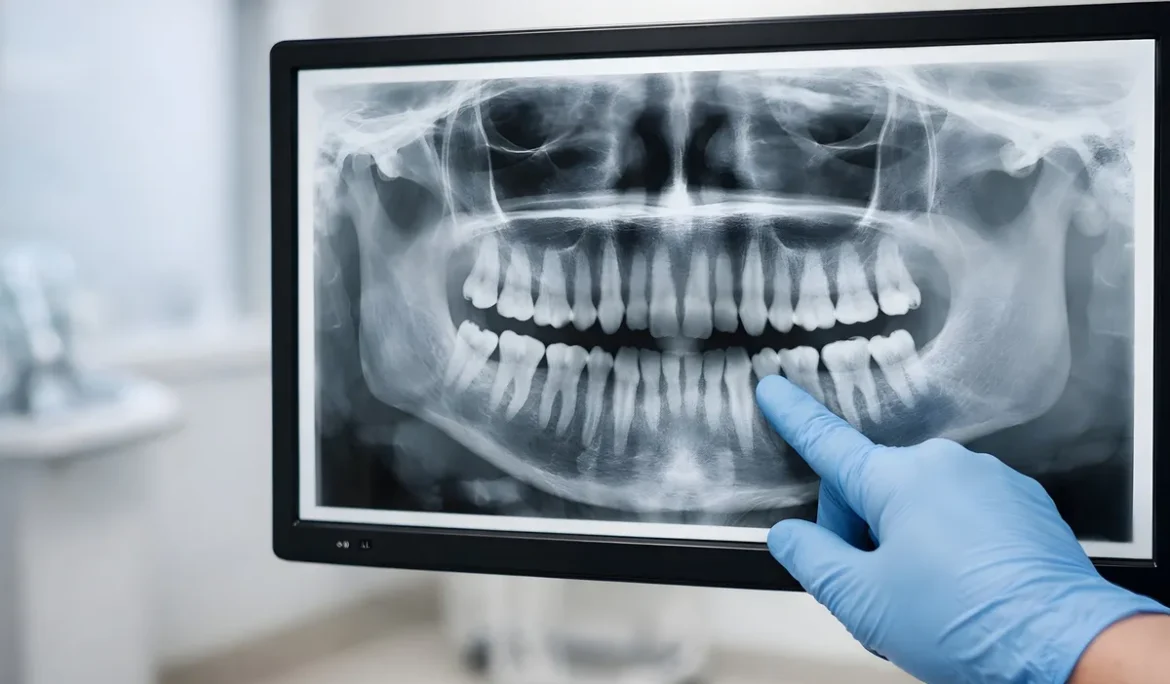
Georgia Microendodontics utilizes Carestream CBCT imaging technology to capture three-dimensional views of your tooth structure. This advanced system produces detailed cross-sectional images that reveal fractures, which traditional two-dimensional X-rays miss entirely. The CBCT scan enables Dr. Jimenez to examine your tooth from multiple angles, identifying the crack’s pathway through the tooth and determining whether it extends into the root structure or involves the pulp chamber, which may require endodontic therapy.
Digital Radiography and Transillumination
Digital X-rays provide immediate, high-resolution images with significantly reduced radiation exposure compared to conventional film. When combined with fiber-optic transillumination, which shines focused light through the tooth structure, these technologies work together to highlight crack lines that would otherwise remain invisible. The light reflects differently on either side of a fracture, creating a distinctive shadow that maps the extent of the damage.
Clinical Examination Techniques
Dr. Jimenez employs a comprehensive clinical evaluation going beyond visual inspection. Using a dental microscope providing up to 25x magnification, she can identify minute crack lines on the tooth surface and examine the characteristics of your symptoms. The examination includes bite tests with specialized instruments isolating individual cusps, helping to determine which specific area of the tooth is compromised.
Selective anesthesia testing may be performed to confirm which tooth is causing your discomfort. By numbing specific teeth individually, Dr. Jimenez can definitively identify the source of your pain when multiple teeth are suspected of being the cause. This methodical approach eliminates guesswork and ensures accurate diagnosis before any treatment begins.
The Role of Advanced Endodontic Training
Endodontists complete two to three years of advanced training beyond dental school, focusing exclusively on diagnosing and treating tooth pain, as well as performing procedures to save teeth. This education equips Dr. Jimenez with the training to recognize subtle clinical signs indicating a cracked tooth. Her experience treating complex cases and her understanding of tooth anatomy at a microscopic level enable her to distinguish between different types of fractures and recommend the most appropriate treatment approach.
When examining a suspected crack, she considers factors including the location and direction of the fracture, the presence of symptoms, the tooth’s position in your mouth, and your bite pattern. This comprehensive assessment informs the treatment recommendation, whether it involves endodontic retreatment, apical surgery, or other interventions.
What Happens After Diagnosis
Once Dr. Jimenez identifies and maps the extent of your cracked tooth, she develops a treatment plan designed to preserve your natural tooth structure. Treatment options vary depending on the crack’s severity and location. Minor cracks may require crown placement to prevent further propagation, while deeper fractures extending into the pulp necessitate root canal therapy to remove infected tissue and seal the tooth.
In cases where cracks extend below the gum line or through the root, more advanced interventions become necessary. The diagnostic imaging captured during your initial evaluation guides every step of the treatment process, ensuring precision and maximizing the likelihood of a successful outcome. Dr. Jimenez uses the GentleWave Procedure and Fotona laser technology to enhance treatment effectiveness while minimizing discomfort and recovery time.
Trust Georgia Microendodontics for Cracked Tooth Diagnosis
Dr. Jeannette Jimenez brings the precision of advanced endodontic training and state-of-the-art diagnostic technology to every patient evaluation at Georgia Microendodontics. Her Columbia University education and years of experience enable her to detect cracked teeth that other providers might miss, providing the answers you need to move forward with appropriate treatment. The practice’s investment in cutting-edge imaging systems ensures you receive the most accurate diagnosis possible, backed by the dedication of an endodontic specialist.
Whether you’re experiencing persistent tooth sensitivity, intermittent pain when chewing, or unexplained discomfort, Georgia Microendodontics offers the care necessary to identify and address cracked teeth before they lead to more serious complications. Contact our office today to schedule your comprehensive evaluation and take the first step toward resolving your dental pain with confidence.