










Apicoectomy: How Root Tip Surgery Can Save a Failing Root Canal
When a tooth fails to heal after root canal treatment, the frustration grows with every throb of lingering pain. You followed all the post-treatment instructions, took your medications as prescribed, and waited patiently for relief. Yet weeks or months later, discomfort persists, or the infection recurs, leaving you wondering whether extraction is inevitable.
At Georgia Microendodontics, we understand how disheartening it feels when a tooth won’t heal as expected. That is why our practice focuses exclusively on saving teeth through advanced endodontic procedures, including apical surgery for cases where standard retreatment may not be the best solution. An apicoectomy can address persistent infection at the root tip, offering you another opportunity to save your natural tooth.
What Is an Apicoectomy?
According to the American Dental Association, root canal treatment repairs and saves teeth rather than removing them when severe damage, decay, or infection occurs. While these procedures boast high success rates, certain anatomical complexities can prevent complete healing. Curved roots, calcified canals, or accessory canals that weren’t accessible during initial treatment may harbor persistent bacteria.
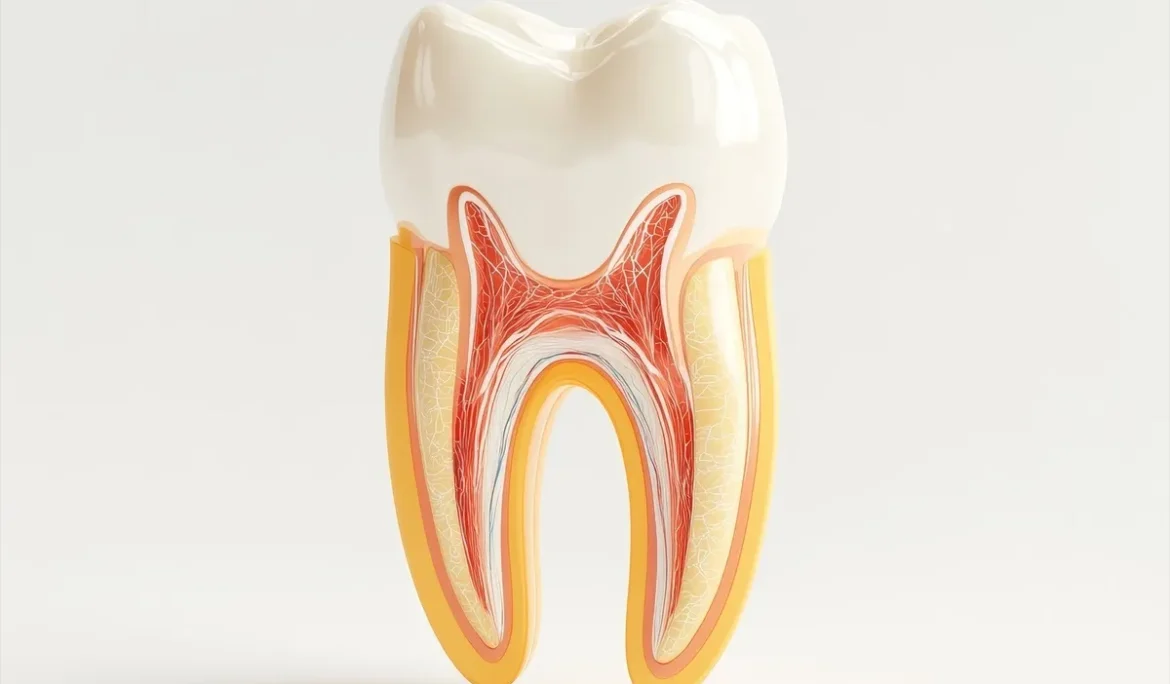
An apicoectomy is a surgical procedure that removes the tip of a tooth’s root along with surrounding infected tissue. The surgery accesses the root end through the gum tissue rather than through the crown of the tooth, like traditional root canal therapy. After removing the infected portion, we seal the end of the root canal to prevent future bacterial invasion. This procedure typically becomes necessary when inflammation or infection persists in the bone around the root tip despite previous endodontic therapy.
Why Root Canals Sometimes Fail
Several factors can contribute to incomplete healing after root canal treatment. The root canal system contains intricate networks of tiny branches, and microscopic canals can harbor bacteria beyond the reach of standard cleaning instruments. Your body may also develop a sustained immune response to bacterial remnants, leading to chronic inflammation even after the source of infection has been eliminated.
Some teeth develop complications years after successful treatment. New decay, cracks, or damaged crowns can allow bacteria to reenter the canal system and reach the root tip. In these cases, surgical intervention may provide more predictable results than attempting a second retreatment through the crown.
The Apicoectomy Procedure
Modern apical surgery relies on advanced technology to improve precision and outcomes. We use surgical microscopes to enhance visualization of the root structure, allowing us to identify and address problems invisible to the naked eye. The magnification reveals anatomical details, accessory canals, and root fractures that might otherwise go undetected.
The procedure begins with local anesthesia to ensure your comfort throughout the surgery. We offer sedation options for patients who experience dental anxiety or prefer additional relaxation during treatment. A small incision in the gum tissue provides access to the bone covering the root tip. After creating a small opening in the bone, we remove the infected root end, typically 3 millimeters or less, along with any surrounding inflamed tissue.
Sealing the Root
Once we’ve removed the infected portion, careful cleaning of the root end prepares it for sealing. We use biocompatible materials to fill the root canal, creating a tight seal that prevents bacteria from reentering. This reverse filling approach addresses the problem from the bottom up, complementing the original root canal treatment from above.
The final steps involve placing sutures to promote proper tissue healing. Most patients notice minimal discomfort after the procedure, with any swelling typically subsiding within a few days.
Recovery and Success Rates
Healing after apicoectomy generally goes smoothly with proper aftercare. You may notice some swelling and mild discomfort for the first few days, which is manageable with over-the-counter pain medication and cold compresses. Most people return to normal activities within a day or two, though we recommend avoiding strenuous exercise for about a week.
The bone around the root tip typically requires several months to heal completely. Follow-up appointments and periodic X-rays allow us to monitor the healing process and confirm successful treatment. Studies indicate that apicoectomies achieve success rates above 90% when performed by endodontic specialists using modern techniques and materials.
Contact Georgia Microendodontics For Your Apicoectomy Procedure
Preserving your natural tooth delivers benefits no replacement option can fully replicate, from maintaining proper bite alignment to protecting jawbone health. Dr. Jeannette Jimenez brings advanced training and years of experience to every apicoectomy, using surgical microscopes and proven techniques to maximize success rates. She also teaches continuing education courses to other dental professionals, reflecting her commitment to advancing endodontic care.
If you’re experiencing persistent pain after root canal treatment or your dentist has recommended extraction, an apicoectomy evaluation may reveal other options for saving your tooth. Contact our office to schedule a consultation and learn whether apical surgery could preserve your smile.