
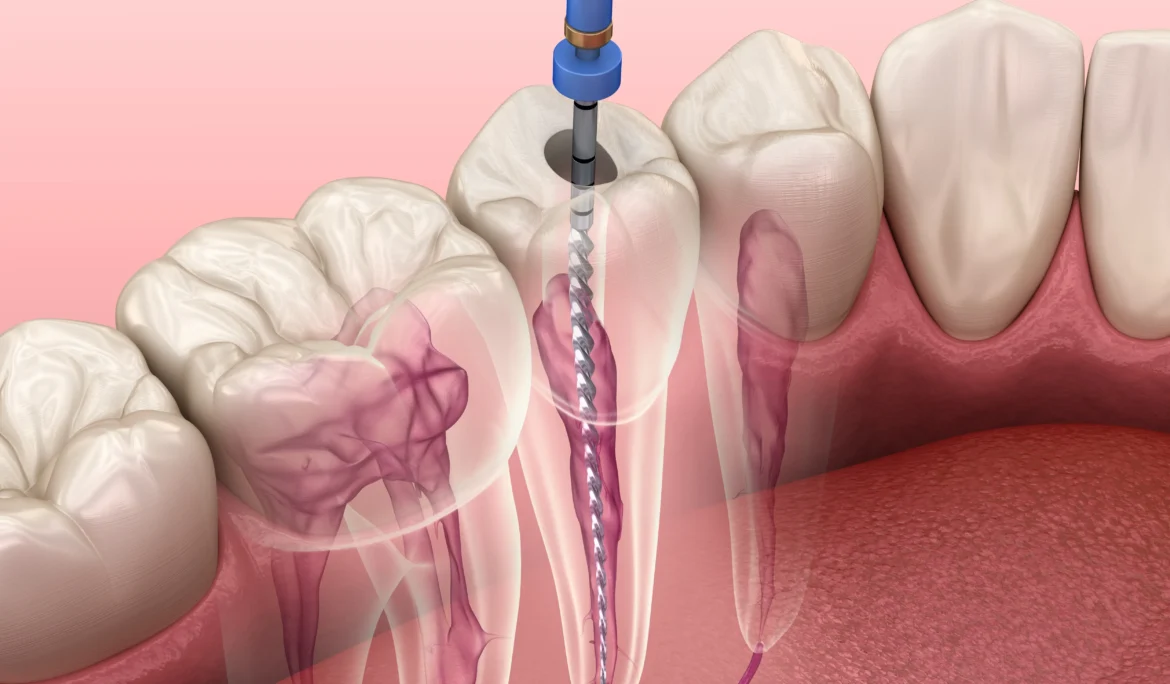
The moment a sharp, throbbing pain jolts you awake at 2 a.m. or your jaw swells so fast your shirt collar feels tight, your body is sending a message you cannot afford to ignore. Dental infections do not slow down on their own; they escalate, and every hour of delay can mean the difference between saving a tooth and losing it entirely. Recognizing the warning signs of a dental emergency is the first step toward protecting your health.
At Georgia Microendodontics, board-certified endodontist Dr. Jeannette Jimenez brings specialized expertise and advanced training from Columbia University to patients across the Marietta area and beyond. The practice is equipped to provide emergency endodontic care for patients who are in pain and need answers fast, without requiring a referral.
When Tooth Pain Becomes a Red Flag
Not every toothache signals a crisis, but certain types of pain are hard to dismiss. Pain that is severe, persistent, or throbbing at rest is a primary warning sign that the pulp tissue inside your tooth may be infected or inflamed. According to the American Association of Endodontists, spontaneous pain, prolonged sensitivity to heat or cold, and discomfort when chewing or applying pressure can all indicate pulp damage that requires treatment.
Lingering sensitivity is especially telling. If a sip of hot coffee or a bite of ice cream triggers pain that hangs around for more than a few seconds, the nerve inside the tooth is likely compromised. That type of response is different from normal sensitivity, and it warrants a prompt evaluation by an endodontic specialist.
Visible and Physical Signs You Should Not Ignore
Pain is not always the loudest alarm. Sometimes the most serious warning signs are the ones patients can see or feel. The following physical changes can indicate a dental emergency is already underway:
- Facial or gum swelling: Swelling near a tooth, along the gumline, or extending into the jaw or neck can signal an abscess, which is a pocket of infection that requires immediate attention.
- A pimple-like bump on the gums: This small bump, sometimes called a fistula or sinus tract, is a channel your body has created to drain infection. It may come and go, but it is never a sign that the infection has resolved.
- Tooth discoloration: A single tooth that turns gray, brown, or noticeably darker than those around it often means the pulp inside has died, either from trauma or advanced decay.
- Loose tooth: In adults, a tooth that feels loose without obvious injury may be surrounded by an infection that has begun weakening the supporting bone.
These signs should never be brushed off as minor. When more than one of them appear together, the situation becomes especially urgent.
The Risk of Waiting Too Long
Delaying care for a dental infection is not simply uncomfortable; it can become medically serious. Infections in the mouth can spread to surrounding tissues, the jawbone, and in rare but documented cases, into the neck or chest cavity. Reaching out to a specialist at the first sign of trouble is the safest path forward.
Patients dealing with cracked teeth face a particularly common path to dental emergencies. A crack can be invisible to the naked eye yet deep enough to allow bacteria to penetrate the pulp, triggering infection before the patient is even aware there is a problem. Similarly, a tooth that has experienced trauma, even years earlier, can develop issues long after the original injury.
Understanding your treatment options in advance can make a difference when an emergency strikes. Our frequently asked questions page covers what patients can expect before, during, and after endodontic treatment, and many are surprised to learn that a root canal is typically no more uncomfortable than getting a filling.
Contact Georgia Microendodontics for Emergency Endodontic Care
Tooth pain that wakes you up, a swollen jaw, or a tooth that just does not feel right are all reasons to pick up the phone and call a specialist without hesitation. The longer an infection goes untreated, the more complex the situation becomes, and the harder it may be to preserve the tooth entirely.
Dr. Jimenez and the team at Georgia Microendodontics are here to help patients in Marietta and the surrounding areas get relief quickly and confidently. If you are experiencing any of the warning signs above, do not wait to request an appointment so our team can evaluate your situation and provide the expert care you need.