
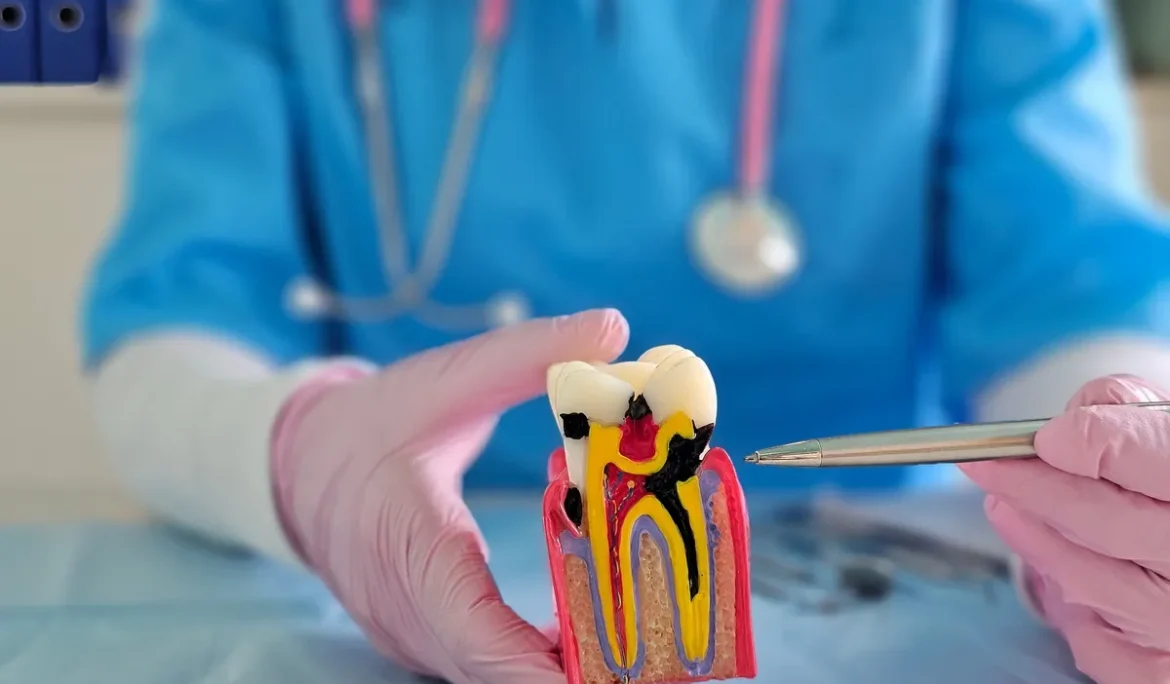
The Truth About Root Canal Therapy: Separating Fact from Fiction
Few dental procedures carry as much undeserved fear as root canal therapy. For many people, just hearing these words triggers anxiety, but the reality is that much of what people believe about this treatment simply isn’t true. Root canal therapy is one of the most effective ways to relieve pain, save a natural tooth, and prevent a worsening infection from spreading further. The sooner the facts are clear, the easier it becomes to make confident decisions about your oral health.
At Georgia Microendodontics, we understand how deeply fear and misinformation can affect whether someone seeks the treatment they need or puts it off. Dr. Jeannette Jimenez and our team work every day to create a calm, comfortable experience for patients who come to us in pain and leave feeling relieved. Understanding what root canal therapy actually involves, and what it does not, is a meaningful first step toward feeling at ease. Root canal treatment success depends in large part on how well patients understand the process and trust the team providing it.
Myth 1: Root Canals Are Extremely Painful
This is, without question, the most widespread misconception about root canal therapy. The procedure has a painful reputation, but that reputation belongs to the infection, not the treatment. By the time most patients arrive for a root canal, they are already experiencing significant tooth pain caused by inflamed or infected pulp tissue. The treatment itself is performed under local anesthesia, and most patients report that the experience is no more uncomfortable than having a cavity filled.
Modern endodontic techniques, including the use of advanced imaging and precision instruments, have made root canal therapy remarkably efficient and far less disruptive than people expect. The American Association of Endodontists addresses this myth directly, noting that advancements in anesthetics and technology have transformed the procedure entirely. The goal of root canal therapy is to eliminate the pain you are already feeling, not create more. For patients who experience significant dental anxiety, sedation options are available to help make the experience as comfortable as possible.
Myth 2: It Is Better to Just Pull the Tooth
Some patients assume that a tooth extraction is a simpler or more definitive solution. While extraction does remove the source of the problem, it creates a new set of challenges that can affect your health and your smile for years to come. Missing teeth can cause neighboring teeth to shift, alter your bite, affect how you chew, and eventually lead to bone loss in the jaw.
Root canal therapy preserves your natural tooth, which is almost always the preferred outcome. Microscopic root canal treatment allows for a level of precision that supports long-term success, and the treated tooth remains functional, looks natural, and supports the integrity of your surrounding teeth and jawbone.
Myth 3: Root Canals Cause Illness
This myth has circulated online for years, largely based on discredited research from the early 20th century. There is no credible, peer-reviewed evidence linking root canal treatment to systemic disease. On the contrary, leaving an untreated infection in your tooth creates a genuine health risk, as oral infections can spread to surrounding tissue and, in serious cases, to other parts of the body.
Root canal therapy removes the infected pulp, cleans the canals, and seals the tooth to prevent reinfection. Technologies like the GentleWave procedure use multisonic fluid dynamics to clean the root canal system with exceptional thoroughness, reducing the risk of missed areas and supporting better outcomes overall. The concern should not be about receiving treatment, but rather about delaying it.
Myth 4: You Only Need a Root Canal If You Have Severe Pain
Pain is one indicator that something is wrong, but it is not the only one. Some patients with infected or damaged pulp tissue experience little to no discomfort, especially if the nerve has already died. This is why routine imaging and evaluations matter. An endodontist is trained to identify signs of infection or damage that may not yet be causing obvious symptoms.
Understanding the difference between an endodontist and a general dentist can help clarify why a referral for specialized care makes sense. Endodontists complete additional years of training specifically focused on diagnosing and treating the inside of the tooth, which means they are well-positioned to catch problems early and provide precise, effective care.
Get the Care You Deserve at Georgia Microendodontics
Root canal therapy is not something to fear. It is a proven, effective treatment that relieves pain, eliminates infection, and gives your natural tooth the best chance at a long, healthy life. At Georgia Microendodontics, Dr. Jimenez brings advanced training, a calm and compassionate approach, and leading-edge technology to every patient she treats. She also teaches continuing education courses to other dental professionals, reflecting her deep commitment to the field and her ongoing pursuit of excellence.
Whether you are dealing with a dental emergency or have been putting off care because of anxiety or uncertainty, we are here to help you feel informed and supported every step of the way. We accept many major insurance plans, including Delta Dental, MetLife PPO, Cigna Total PPO, and Humana PPO, with CareCredit financing available for additional flexibility. When you are ready to take the next step, reach out to our team and schedule your consultation.