
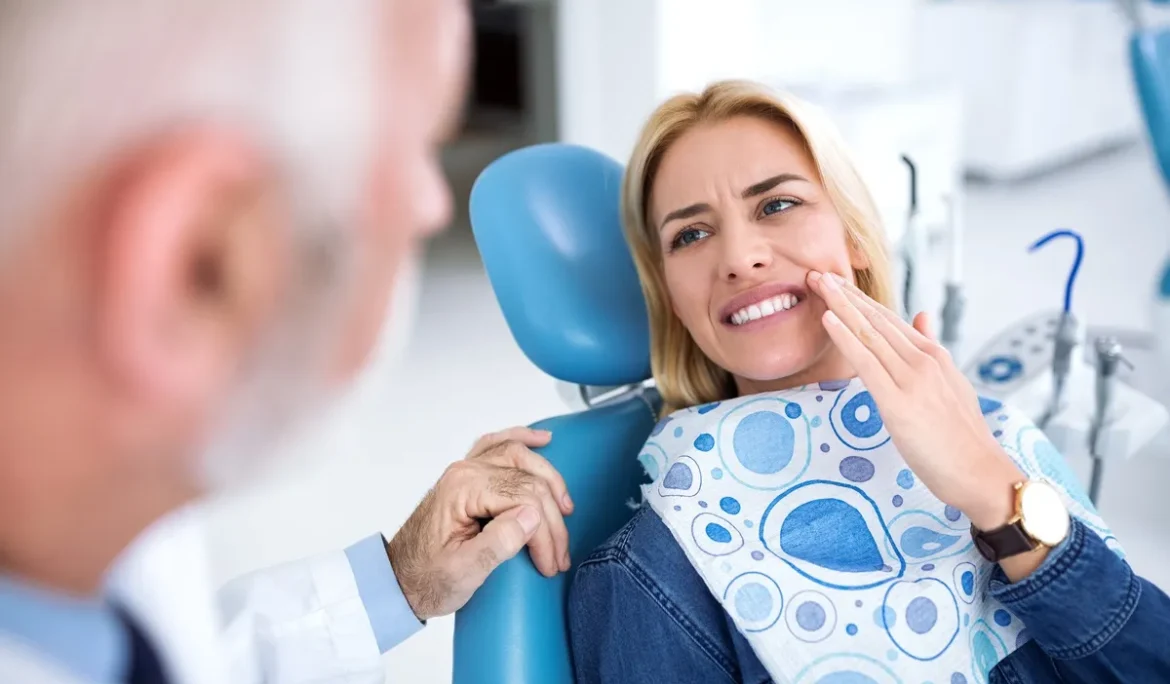
How to Handle a Dental Emergency While Traveling
A toothache hundreds of miles from home can transform a dream vacation into a nightmare scenario faster than you can say “root canal.” Yet dental emergencies don’t observe your travel itinerary, and knowing how to respond when severe tooth pain strikes far from your regular dentist can mean the difference between salvaging your trip and ending it early.
Whether you’re facing a traumatic dental injury, a sudden abscess, or a cracked tooth, we provide emergency endodontic care to help patients navigate urgent dental situations. Our team at Georgia Microendodontics offers same-day appointments when possible, so you can receive the prompt treatment you need to get back to enjoying your life.
Common Dental Emergencies That Occur While Traveling
Travel creates unique conditions for dental problems. Changes in air pressure during flights can aggravate existing tooth sensitivity or exacerbate undiagnosed cracks. Different foods and eating schedules may stress already compromised teeth. Physical activities such as swimming, hiking, or sports can cause facial trauma that affects your teeth. According to the American Dental Association, more than 2 million hospital emergency department visits for dental pain occur each year, underscoring the prevalence of these emergencies.
Dental Abscesses and Infections
Dental abscesses are one of the most serious travel emergencies. These infections develop when bacteria reach the tooth’s pulp chamber, causing severe pain, swelling, and sometimes fever. An abscess won’t resolve on its own and requires professional intervention. If left untreated, the infection can spread to other areas of your body.
Knocked-Out Teeth
Knocked-out teeth require immediate action. If you can locate the tooth, touch it only by the crown and rinse it gently with water. Try to reinsert it into the socket if possible, or keep it damp in milk or saliva. You have about 30 minutes to an hour for the best chance of successful reimplantation, so finding emergency dental care should be your top priority.
Broken or Fractured Teeth
Broken or fractured teeth can happen from biting something hard or sustaining an impact to the face. The severity varies widely. Some fractures only affect the enamel, while others extend deep into the tooth structure. If you see pink tissue or experience sharp pain, the damage likely extends to the pulp and requires urgent attention.
Lost Fillings or Crowns
Lost fillings or crowns leave the underlying tooth structure exposed and vulnerable. Food particles and bacteria can enter the cavity, causing pain and potentially leading to infection. While you may be tempted to use temporary dental cement from a drugstore, this only provides short-term relief until you can see a professional.
Immediate Steps to Take When a Dental Emergency Strikes
Stay calm and assess the situation objectively. Panic makes clear thinking difficult, but most dental emergencies, while painful and concerning, aren’t life-threatening. Determine the severity of your situation by evaluating your symptoms. Uncontrolled bleeding, difficulty breathing or swallowing, or severe facial swelling indicate you should visit an emergency room rather than wait for a dentist.
Managing Pain and Discomfort
For pain management, rinse your mouth with warm salt water to reduce bacteria and soothe inflamed tissues. Over-the-counter pain relievers like ibuprofen can help control discomfort and reduce swelling. Avoid applying aspirin directly to the gums, as it can burn the tissue. Applying a cold compress to the outside of your face can prevent swelling and numb the area temporarily.
Preserving Teeth and Dental Work
If you’ve lost a tooth or restoration, preserve it properly. For a knocked-out tooth, keep it moist at all times. Never scrub or remove attached tissue fragments. Store it in milk, saline solution, or your own saliva. For lost crowns or fillings, rinse them and keep them in a safe place to bring to your dental appointment.
Documenting the Emergency
Document everything with photos if possible. Take pictures of the affected tooth, any swelling, or injuries to your face. These images can help dental professionals prepare for your arrival and may prove valuable for insurance claims later. Note the time the injury occurred and what you were doing when it happened.
Finding Emergency Dental Care Away From Home
Start your search by contacting your regular dentist. Many dental practices have after-hours emergency numbers or can refer you to trusted colleagues in the area you’re visiting. Your dentist may even be able to provide guidance over the phone and help coordinate care with a local provider.
Using Local Resources
Hotel concierge services often maintain relationships with local healthcare providers and can direct you to reputable emergency dentists. They’re accustomed to helping guests with medical needs and can usually provide several options. If you’re staying in a rental property, contact your host or property management company for recommendations.
Searching Online for Emergency Care
Search for emergency dental services online, but exercise caution. Look for practices with verified reviews and check their credentials. Many endodontists and general dentists reserve appointment slots for emergencies and can see you quickly. When calling, clearly explain your symptoms and situation so they can prioritize your case appropriately.
Leveraging Your Insurance Provider
Your dental insurance provider can be an invaluable resource. Call the number on your insurance card to find in-network providers in your current location. They can also provide information about coverage for emergency treatments and help you avoid unexpected costs.
Prevention Strategies Before You Travel
Schedule a comprehensive dental exam before any extended trip. Your dentist can identify potential problems before they become painful emergencies far from home. Addressing minor issues like small cavities or loose fillings takes minimal time but can prevent major disruptions to your plans.
Essential Items for Your Travel Dental Kit
Pack a travel dental emergency kit with these essential supplies:
- Sterile gauze pads for controlling bleeding
- Temporary dental cement for lost crowns or fillings
- Over-the-counter pain relievers like ibuprofen
- Antiseptic mouthwash to prevent infection
- Small container of clove oil for natural pain relief
- Your dentist’s contact information
- List of medications and drug allergies
- Small mirror for examining your teeth
Keep this kit in your carry-on luggage where you can get to it easily during your travels.
Research Before You Go
Research dental resources at your destination before departure. Note the locations of nearby dental clinics and emergency facilities. Save contact information in your phone so you won’t need to search while experiencing pain. If traveling internationally, learn key dental terms in the local language.
Understand Your Coverage
Review your dental insurance coverage for travel emergencies. Some plans limit out-of-network care or require pre-authorization for certain procedures. Consider purchasing travel insurance that includes dental emergency coverage if you’ll be away for an extended period or visiting remote areas.
Contact Georgia Microendodontics for Your Dental Emergency Needs
Dental emergencies don’t wait for convenient times, and neither should your treatment. Since establishing our practice five years ago, Dr. Jeannette Jimenez has provided compassionate endodontic care to patients experiencing urgent dental situations. With advanced training from Columbia University and years of experience in endodontics, she understands the anxiety that accompanies severe tooth pain and works to create a calming environment for every patient.
While we can’t guarantee same-day treatment for every emergency, we strive to accommodate urgent cases whenever possible and will work to see you as quickly as we can. Contact us to schedule an emergency appointment or learn more about our endodontic services.